Surrealism
Surrealism lets the image obey dream logic instead of waking logic. Space turns uncanny, objects collide without explanation, and the unease stays quiet — more long shadow than jump-scare.
Reference note: every canonical Surrealist (Dalí, Magritte, Miró, Ernst, Tanguy) is still under copyright, so this archive represents the movement through de Chirico's metaphysical period and honestly-adjacent painters instead of hosting copyrighted work.
See More Examples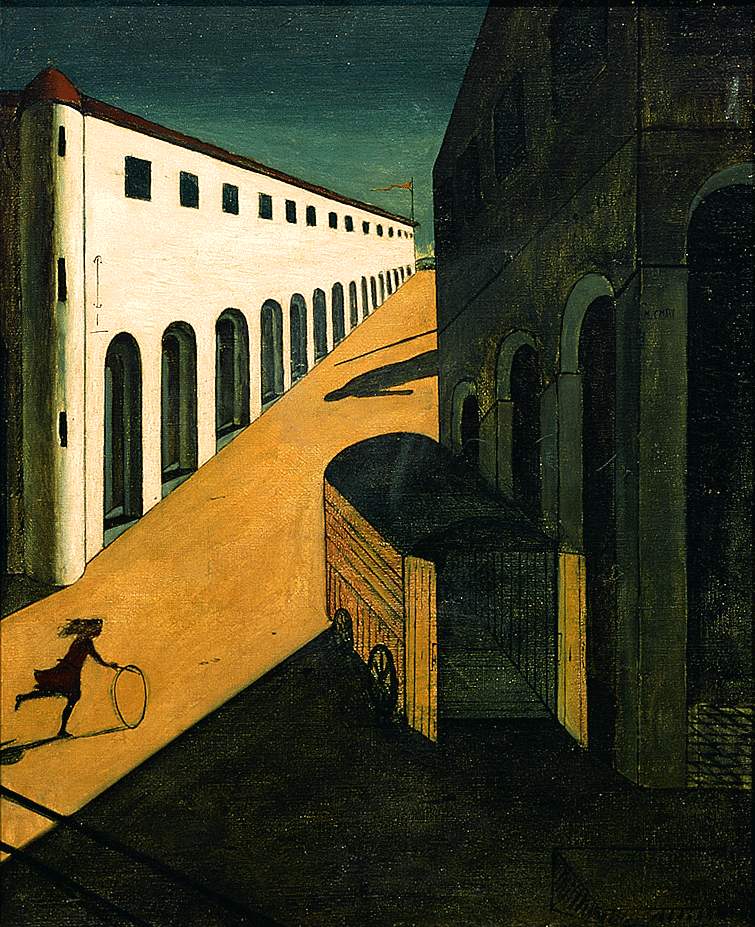
What Defines the Movement
Surrealism isn't about weirdness for its own sake. It's about making the familiar feel slightly wrong — by changing space, time, and meaning while keeping the surface calm.
Artists and Landmark Works
Not every name. The right ones — and what they actually changed.
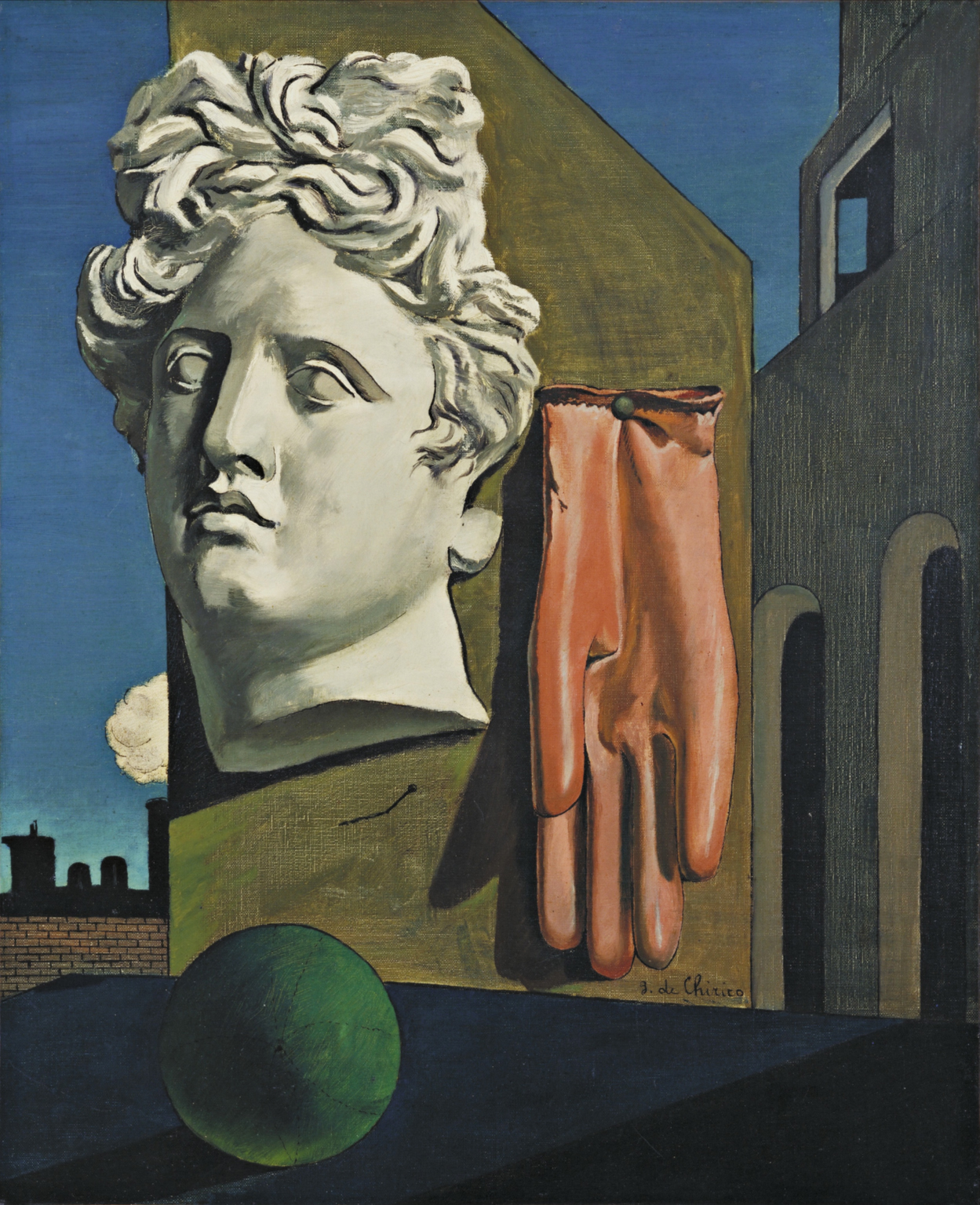
A green glove nailed above a classical bust, a red rubber ball, warm ochre light, deep uneasy shadow.
Open workLong shadows and an empty street carry real emotional weight; impossible perspective makes it literally dreamlike.
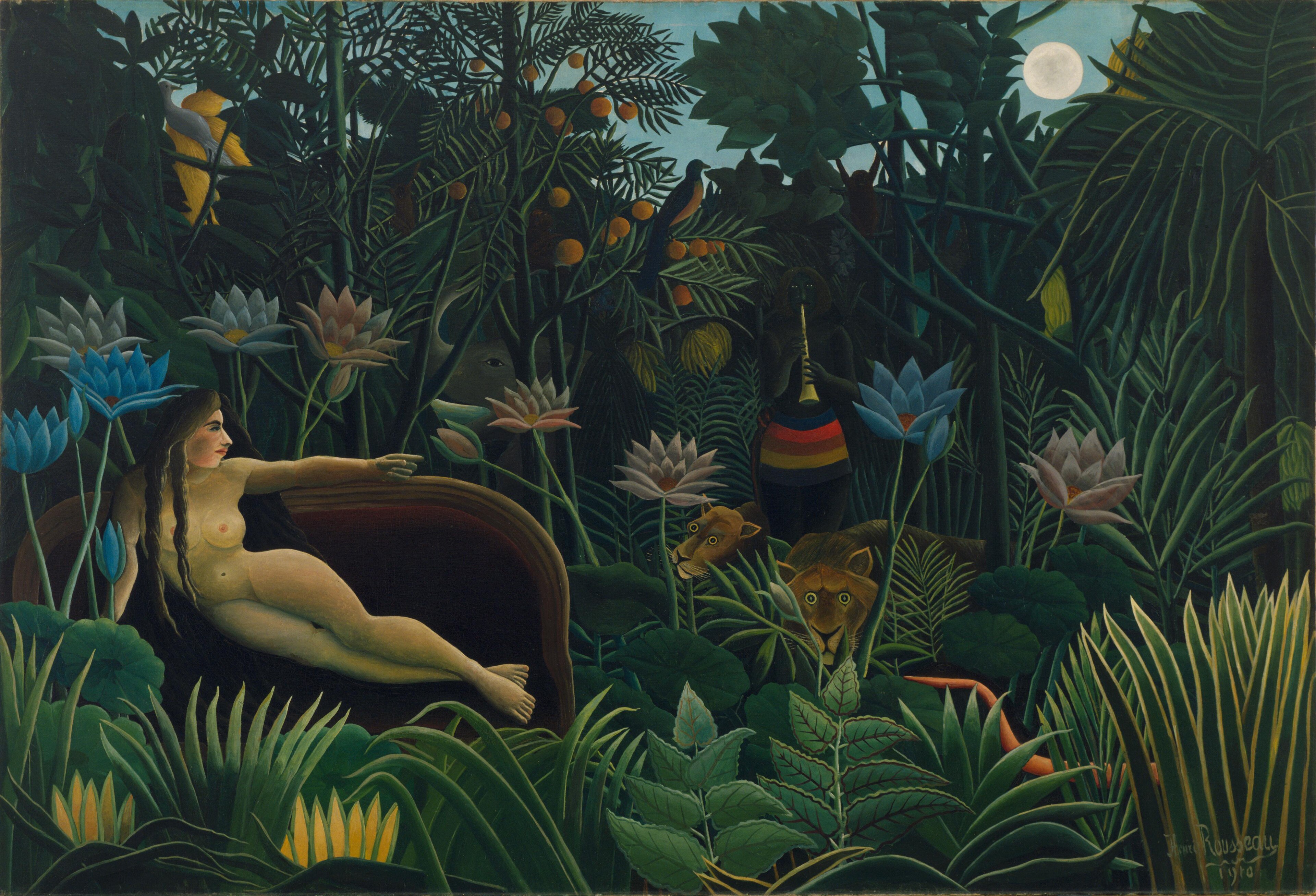
Open workLush jungle greens and lotus flowers — Wikipedia itself calls it "an almost surreal portrait."
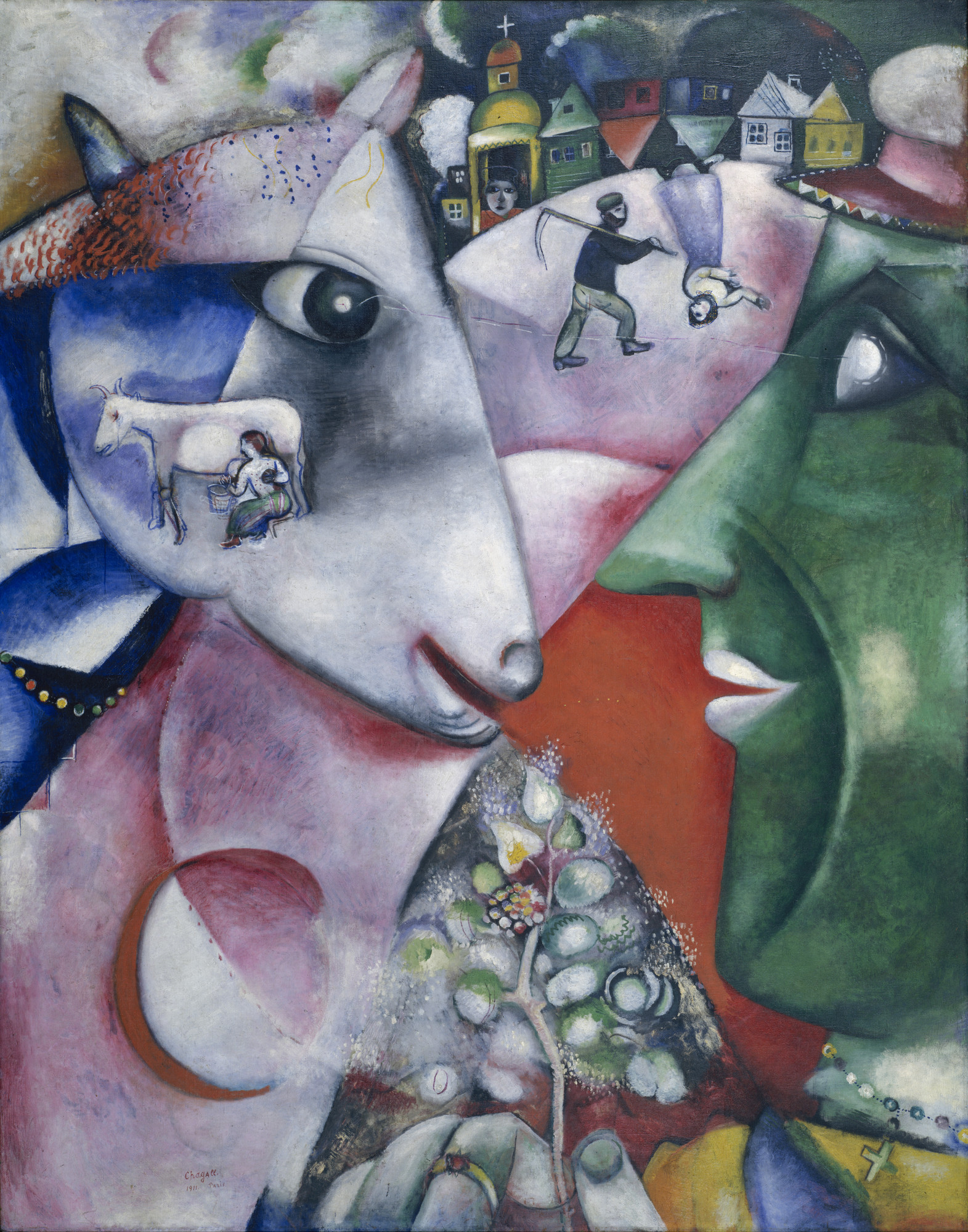
Open workDreamlike, folkloric, gravity-free imagery; the Surrealists claimed Chagall as a forerunner.
Open workVisual Traits
A checklist you can actually use while art-directing.
Impossible space
Perspective that reads clean, but doesn't add up.
Long shadows
Time feels late, but the source stays hidden.
Symbolic objects
A glove, a statue, a train — charged, not explained.
Dream logic
Juxtaposition replaces plot. The image stays calm.
Quiet dread
Unease without horror-movie theatrics.
Muted architecture palette
Ochre, terracotta, stone, and deep shadow.
Palette
Surrealism often reads like late afternoon architecture: muted ochres and terracottas, then shadows that go almost black. The contrast is where the unease lives.
Why Designers Should Care
Surrealism is a blueprint for conceptual campaigns: say less, imply more.
It's symbolic branding without the wink, and uncanny art direction that stays clean enough to feel credible.
- Conceptual campaigns that say less and imply more
- Symbolic branding without an obvious wink
- Uncanny art direction that still feels credible, not fantastical
- Use clean composition and believable lighting, then introduce one symbolic mismatch. Let the viewer do the work.
- Don't turn it into fantasy illustration. Surrealism lands when it stays calm, architectural, and slightly too real.
Related Works
Keep browsing inside the movement.