A better eye changes everything.
Visual literacy is the ability to notice structure, tension, rhythm, hierarchy, and atmosphere before you make anything. It's not about liking a painting — it's about being able to say precisely why it works, and then carrying that precision into your own work.
Read the Essay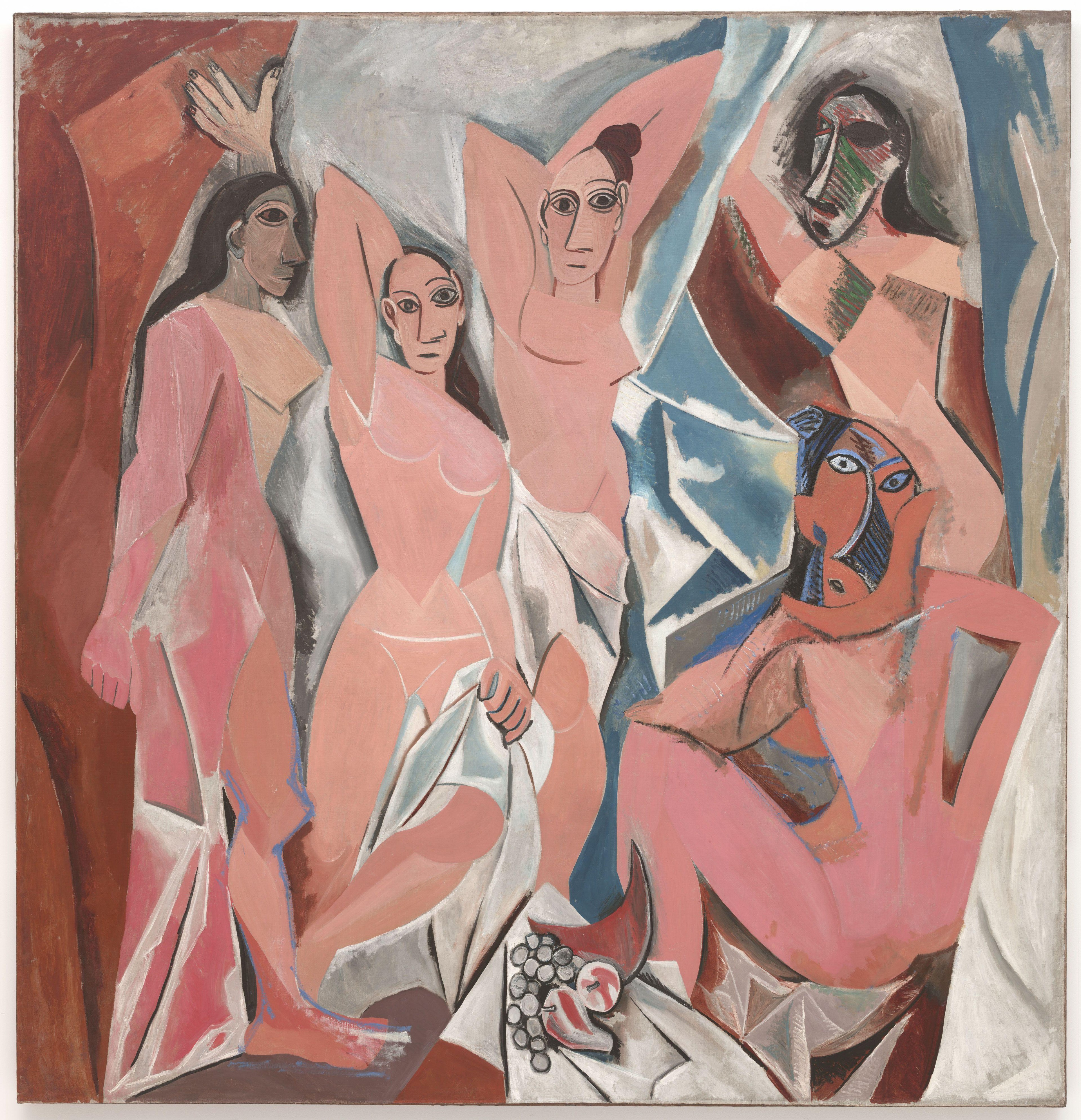
Bad references don't just waste time. They flatten your instincts.
Every time you save a moodboard image without asking why it's there, you train your eye to skip the hard part. Weak references teach weak habits — vague color logic, arbitrary spacing, compositions borrowed without understanding the tension they were built on. Do this long enough and your taste stops improving, because there's nothing underneath it to sharpen.
See the DifferenceLook past the vibe. Catch the mechanics.
Anyone can say a painting "feels good." The useful skill is noticing why: how color is weighted across the canvas, how spacing sets pace, where contrast is placed on purpose, how an edge is handled — hard or lost — and where distortion is doing real work instead of decorating. Once you can name the mechanics, you can borrow them deliberately instead of guessing.
Study the Framework